

Modular Capsule House: Innovative Living Solutions for Modern Lifestyle

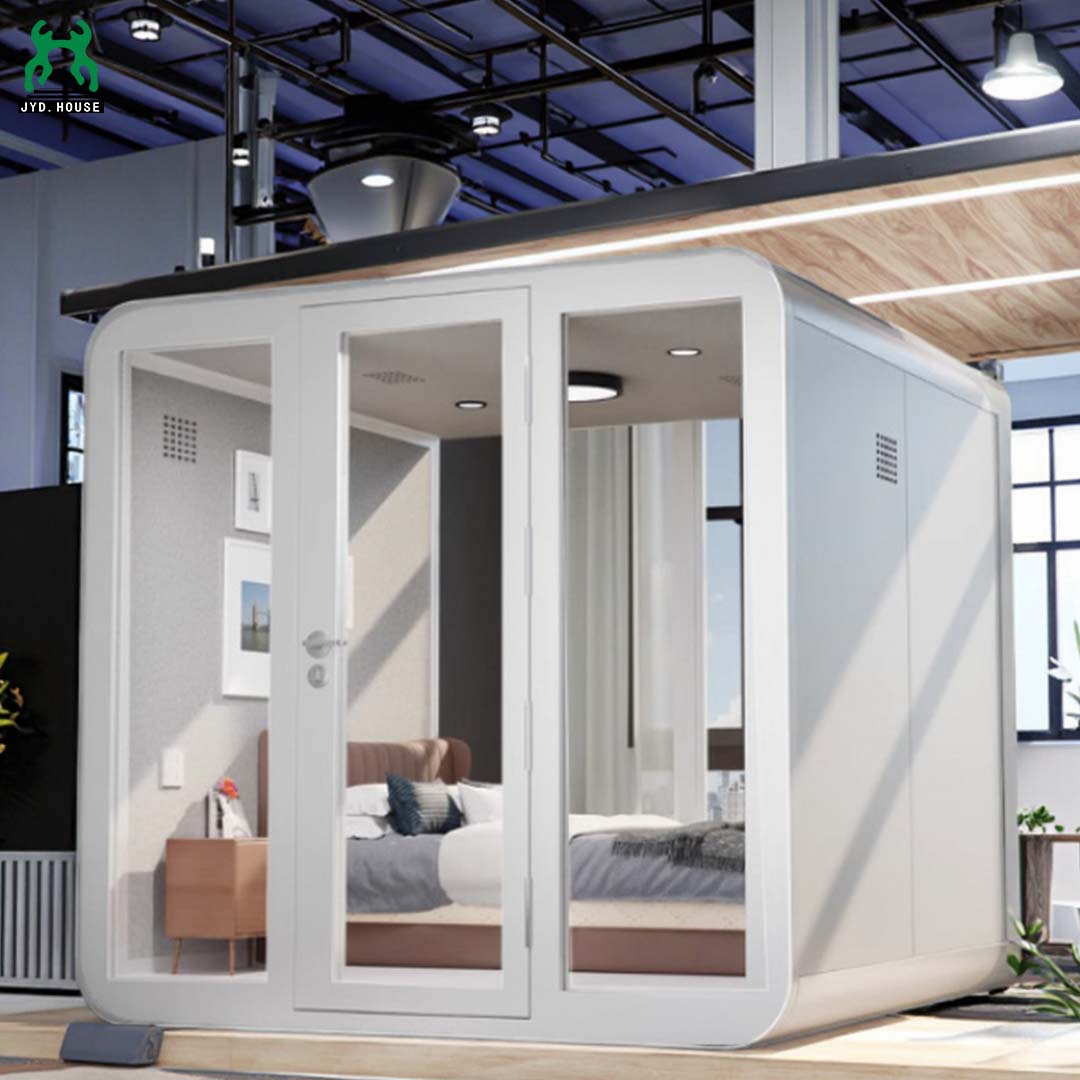
Modular capsule houses represent a revolutionary approach to contemporary housing, offering compact, efficient, and versatile living spaces that adapt to diverse lifestyle needs. These innovative structures combine advanced manufacturing techniques with sustainable design principles, creating housing solutions that are both practical and environmentally responsible.
Understanding Modular Capsule House Design
Modular capsule houses are prefabricated living units designed for rapid deployment and flexible configuration. Each capsule unit encompasses essential living functions within a compact footprint, maximizing space efficiency while maintaining comfort and functionality. The modular nature allows multiple units to be combined, stacked, or arranged in various configurations to create larger living spaces or community developments.
Key Features and Benefits
Space Efficiency: Capsule houses optimize every square meter through intelligent layout design and multi-functional furniture systems. Built-in storage, convertible furniture, and vertical space utilization create comfortable living environments within minimal floor areas.
Rapid Installation: Factory prefabrication ensures quality control and reduces on-site construction time significantly. Most capsule units can be installed within days rather than months, making them ideal for urgent housing needs or temporary accommodations.
Portability: Many capsule house designs incorporate transportability features, allowing units to be relocated as needs change. This flexibility suits applications ranging from temporary worker housing to mobile hospitality ventures.
Sustainability: Modern capsule houses emphasize environmental responsibility through energy-efficient systems, sustainable materials, and minimal site disturbance. Solar power integration, rainwater harvesting, and advanced insulation reduce operational costs and environmental impact.
Applications and Use Cases
Residential Housing: Capsule houses serve as affordable housing solutions for urban areas where land costs constrain traditional construction. Single units accommodate individual residents, while combined configurations create family-sized dwellings.
Commercial Accommodation: Hotels, hostels, and vacation rentals increasingly adopt capsule house concepts for unique guest experiences. The modular approach enables rapid expansion and customization of accommodation facilities.
Emergency Housing: Disaster relief and refugee housing programs benefit from capsule house rapid deployment capabilities. Units can be transported to affected areas and installed quickly to provide immediate shelter solutions.
Remote Work Camps: Mining operations, construction projects, and remote industrial facilities utilize capsule houses for worker accommodations. The portable nature allows housing to move with project locations.
Design Considerations
Choosing the right capsule house involves evaluating several factors:
Size Requirements: Determine appropriate unit dimensions based on intended occupants and usage patterns. Single-occupancy units typically range from 15-30 square meters, while larger configurations accommodate families or groups.
Material Selection: Quality materials ensure longevity and comfort. Steel frames provide structural integrity, while insulated panels maintain comfortable interior temperatures across various climates.
Utility Integration: Consider power, water, and sanitation requirements. Self-contained units offer complete independence, while connected configurations share utility infrastructure for efficiency.
Customization Options: Many manufacturers offer customization for specific needs. Interior layouts, finish levels, and special features can be tailored to particular applications or preferences.
Future Development Trends
The modular capsule house market continues evolving with technological advances:
Smart Home Integration: IoT systems increasingly manage capsule house operations, from climate control to security monitoring. Automated systems enhance convenience and efficiency.
Advanced Materials: New materials improve durability, insulation, and sustainability. Composite structures and eco-friendly components reduce environmental footprints while enhancing performance.
Vertical Development: Urban applications increasingly explore vertical stacking configurations, creating high-density housing solutions within limited land areas.
Conclusion
Modular capsule houses offer compelling solutions for contemporary housing challenges. Their combination of efficiency, flexibility, and sustainability addresses diverse needs from urban housing to remote accommodations. As manufacturing techniques advance and design innovations continue, capsule houses will play increasingly important roles in addressing global housing demands while minimizing environmental impact.