

Capsule House Design Innovations: Modern Solutions for Compact Living Spaces

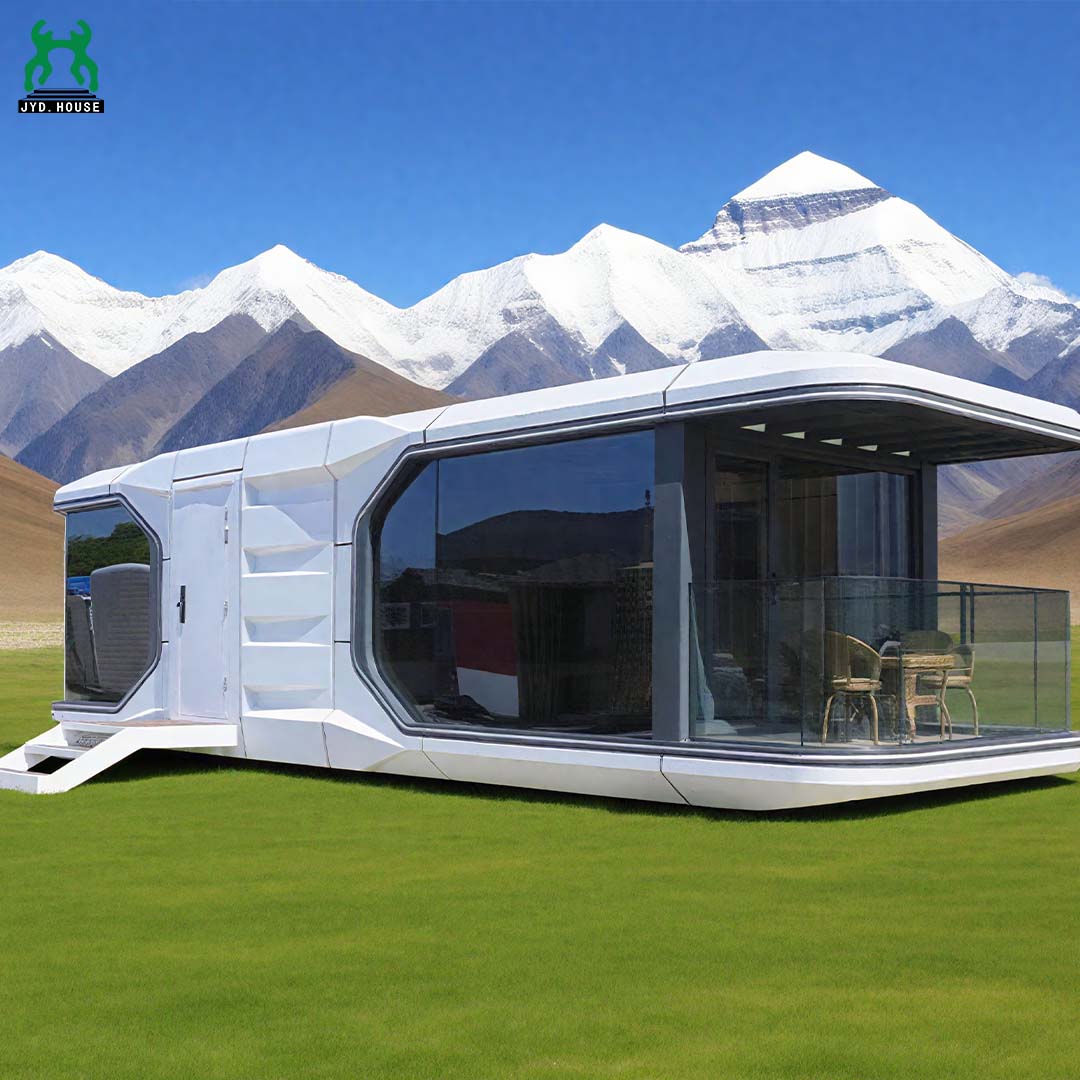
Capsule house design represents a revolutionary approach to modern living, combining innovative architecture with practical functionality. These compact yet highly efficient living spaces address growing urbanization challenges while offering sustainable and affordable housing solutions for diverse applications.
Understanding Capsule House Architecture
Capsule houses draw inspiration from aerospace engineering and Japanese micro-living concepts, creating self-contained units that maximize every square meter of space. Unlike traditional tiny homes, capsule houses emphasize vertical space utilization, integrated systems, and modular construction techniques that enable rapid deployment and customization.
Core Design Principles
Space Optimization
Every element in capsule house design serves multiple purposes. Fold-down beds transform into workspaces, wall-mounted storage systems double as room dividers, and integrated furniture eliminates wasted circulation space. This multi-functional approach achieves living comfort in footprints as small as 10-15 square meters.
Structural Integrity
Modern capsule houses utilize advanced materials including high-strength steel frames, composite panels, and impact-resistant glazing. These materials ensure durability while maintaining lightweight construction suitable for transportation and installation in various locations.
Systems Integration
Electrical, plumbing, and HVAC systems integrate seamlessly within wall cavities and ceiling voids. Prefabricated mechanical cores arrive pre-tested, reducing on-site installation time and ensuring consistent performance across multiple units.
Applications and Use Cases
Urban Housing Solutions
Capsule houses address urban density challenges by providing affordable housing options in space-constrained cities. Rooftop installations, infill developments, and modular stacking configurations maximize urban land utilization while offering residents private, comfortable living spaces.
Hospitality Industry
Hotels and resorts increasingly adopt capsule house concepts for unique guest accommodations. These compact units offer privacy and essential amenities at competitive price points, appealing to budget-conscious travelers seeking novel experiences.
Remote Work Facilities
Companies deploy capsule houses as on-site worker accommodations for remote projects. Mining operations, construction sites, and research stations benefit from quickly deployable housing that meets worker comfort and safety requirements.
Emergency and Temporary Housing
Disaster relief efforts utilize capsule houses for rapid deployment of emergency shelters. Their prefabricated nature enables quick transportation to affected areas, providing immediate housing solutions for displaced populations.
Technical Specifications and Standards
Dimensional Standards
Standard capsule house dimensions range from 2.4m x 5m to 3m x 7m, optimizing for road transportation while maximizing interior space. Custom configurations extend these dimensions for specific applications requiring larger footprints.
Building Code Compliance
Reputable capsule house manufacturers ensure compliance with local building codes, including structural requirements, fire safety standards, and accessibility guidelines. International certifications such as ISO and CE demonstrate commitment to quality and safety.
Energy Efficiency Ratings
Modern capsule houses achieve high energy efficiency ratings through superior insulation, airtight construction, and efficient mechanical systems. Many models qualify for green building certifications, supporting sustainability objectives.
Customization Options
Interior Layouts
Buyers select from various interior configurations including studio, one-bedroom, and office layouts. Custom furniture options, finish selections, and smart home integrations allow personalization within standardized structural frameworks.
Exterior Finishes
Exterior cladding options include metal panels, wood siding, and composite materials. Color selections and finish textures enable capsule houses to complement existing architectural contexts or create distinctive visual statements.
Technology Integration
Smart home systems control lighting, climate, and security through mobile applications. Solar panel installations, battery storage, and water recycling systems support off-grid capabilities for remote installations.
Installation and Site Requirements
Foundation Systems
Capsule houses require minimal foundation work compared to traditional construction. Options include concrete pads, helical piles, and adjustable steel supports that accommodate various ground conditions and enable future relocation.
Utility Connections
Standard utility connections include electrical service, water supply, and drainage. Off-grid configurations incorporate solar power, rainwater collection, and composting systems for locations lacking utility infrastructure.
Transportation Logistics
Factory-built capsule houses ship as complete units or knock-down kits depending on site access and transportation constraints. Professional installation teams complete setup within days, minimizing site disruption.
Economic Considerations
Initial Investment
Capsule house pricing varies based on size, finishes, and technology integrations. Base models start at competitive price points, while premium configurations with advanced features command higher investments reflecting enhanced capabilities.
Operating Costs
Energy-efficient design reduces ongoing utility expenses. Minimal maintenance requirements and durable construction materials lower lifecycle costs compared to traditional housing options.
Return on Investment
Commercial applications including hospitality and rental properties demonstrate attractive returns due to lower capital costs and efficient operations. Residential buyers benefit from affordable homeownership and potential rental income from additional units.
Future Trends
Automation and AI Integration
Emerging capsule house designs incorporate automated systems for climate control, security, and space reconfiguration. Artificial intelligence optimizes energy usage and predicts maintenance needs, enhancing both comfort and efficiency.
Sustainable Materials
Bio-based insulation, recycled structural components, and low-embodied-carbon materials increasingly feature in capsule house construction, supporting broader sustainability goals and circular economy principles.
Community Configurations
Innovative stacking and clustering arrangements create capsule house communities with shared amenities and communal spaces. These configurations balance individual privacy with social connectivity, addressing isolation concerns associated with compact living.
Conclusion
Capsule house design offers practical solutions for contemporary housing challenges through innovative space utilization, efficient construction, and flexible applications. As urbanization intensifies and sustainability concerns grow, these compact living spaces provide viable alternatives to traditional housing, combining affordability, functionality, and modern design aesthetics. Working with experienced manufacturers ensures optimal outcomes for residential, commercial, and specialized applications.