

Prefabricated Housing Solutions: Modern Approaches to Efficient Construction

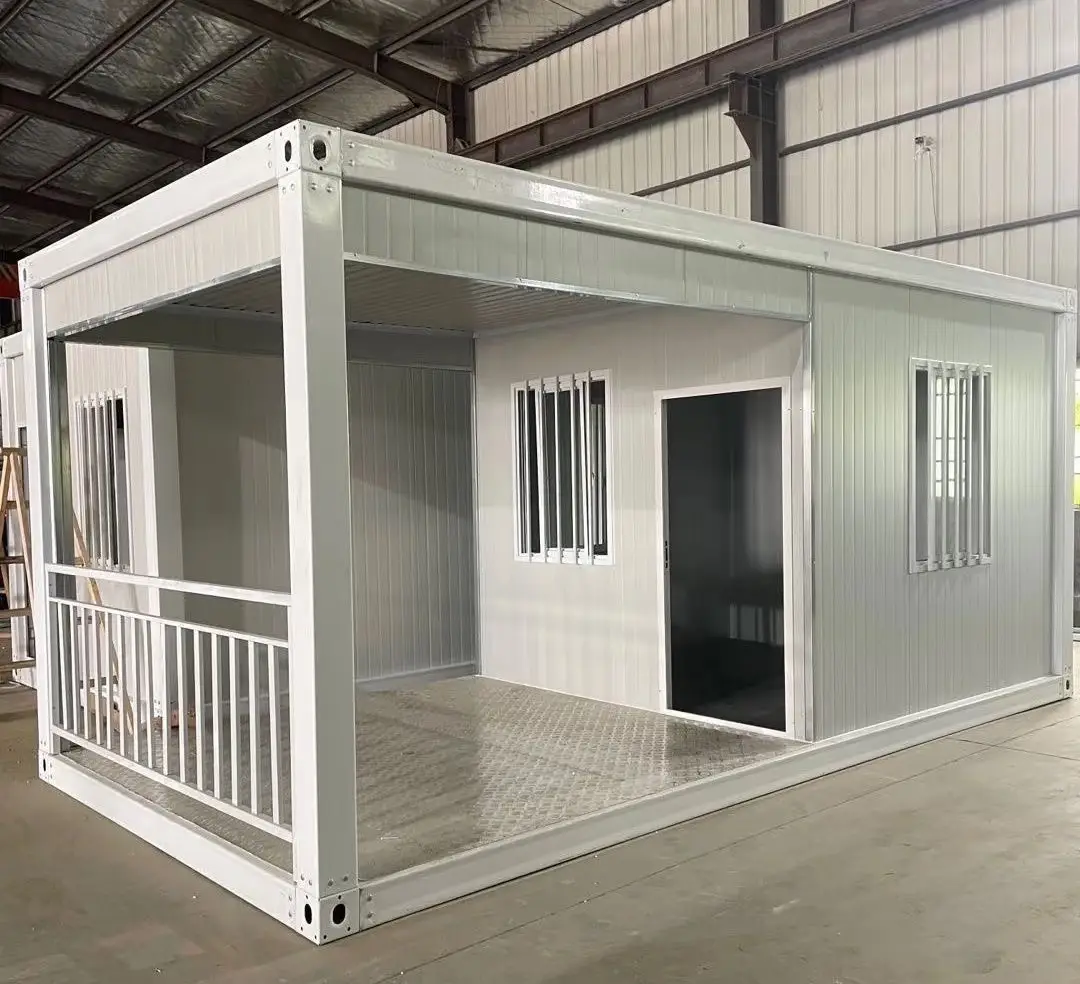
The Evolution of Prefabricated Housing
Prefabricated housing has transformed from simple modular structures to sophisticated building solutions that rival traditional construction in quality and exceed it in efficiency. Modern prefabrication techniques enable rapid deployment of housing while maintaining high standards for durability, energy efficiency, and design flexibility. Understanding the capabilities and advantages of prefabricated housing helps developers, contractors, and homeowners make informed construction decisions.
Advanced prefabricated housing systems now incorporate precision manufacturing, quality materials, and innovative designs that address diverse residential needs. From temporary accommodations to permanent residences, prefabricated solutions offer scalable options for various applications and budgets.
Manufacturing Technology Advances
Factory Production Benefits
Controlled factory environments enable precision manufacturing impossible to achieve on construction sites. Automated cutting, assembly jigs, and quality control systems produce components with exacting tolerances that ensure proper fit during site assembly. Weather-independent production eliminates delays while protecting materials from moisture and environmental damage during construction.
Quality assurance in factory settings includes systematic inspection at each production stage. modular construction benefits from consistent processes and trained workforces that maintain quality standards across production volumes. Documentation systems track materials and processes for each unit, supporting quality management and traceability.
Design Flexibility and Customization
Modern prefabrication systems offer extensive design flexibility through modular components that combine in various configurations. Floor plans can be customized while maintaining the efficiency benefits of standardized production. Architectural details, finish selections, and functional options enable personalized homes without sacrificing manufacturing efficiency.
Advanced design software enables rapid customization while ensuring structural integrity and code compliance. Three-dimensional modeling supports visualization of custom configurations before production begins. Design libraries provide proven configurations that can be modified to meet specific requirements.
Structural Systems and Materials
Light Gauge Steel Framing
Steel framing systems offer dimensional stability, fire resistance, and design flexibility for prefabricated structures. Precision manufacturing of steel components enables rapid assembly with consistent quality. The strength-to-weight ratio of steel enables efficient designs while reducing foundation requirements compared to heavier construction methods.
Corrosion protection through galvanizing or coating systems ensures long-term durability in various climates. Steel framing’s dimensional stability eliminates the settling, warping, and cracking that can affect wood structures. The consistent properties of steel support predictable structural performance.
Structural Insulated Panels
SIPs construction combines structural capacity with insulation in integrated panels that accelerate construction while providing excellent energy performance. Factory production of prefabricated panels ensures quality and precision that would be difficult to achieve through field assembly. The continuous insulation eliminates thermal bridging common in stick framing.
Panel systems enable rapid enclosure of buildings, reducing exposure time during construction. The structural capacity of SIPs can support significant loads while providing superior insulation. Design integration considers panel dimensions and connection details for optimal efficiency.
Assembly and Installation
Site Preparation Requirements
Prefabricated housing requires appropriate foundation systems designed for the specific structure and site conditions. Foundation options include conventional concrete, pier systems, and specialized designs for temporary or relocatable installations. Proper site preparation ensures that prefabricated units perform as designed.
Utility connections including electrical, plumbing, and mechanical systems require coordination between site preparation and unit installation. Pre-planning of utility locations enables efficient connections during assembly. Some systems include integrated utility distribution that simplifies site connections.
Assembly Processes
Assembly procedures for prefabricated structures are engineered for efficiency and reliability. Connection systems enable rapid joining of components while ensuring structural integrity. Assembly sequences are designed to minimize crane time and labor requirements while maintaining safety and quality.
Training programs ensure that assembly crews understand specific system requirements. Documentation including assembly drawings, connection details, and quality checklists guides proper installation. Manufacturer support during initial installations helps establish correct procedures.
Performance Characteristics
Energy Efficiency
Prefabricated housing often achieves superior energy performance through continuous insulation, reduced air infiltration, and integrated mechanical systems. Factory quality control ensures consistent installation of insulation and air barriers that may be compromised in field construction. Energy modeling can predict performance before construction begins.
Integration of energy-efficient systems including HVAC, lighting, and appliances during manufacturing ensures proper installation and commissioning. Some prefabricated systems are designed to meet specific energy standards or certification requirements. The controlled construction process supports consistent achievement of energy performance targets.
Durability and Longevity
Material selection and quality control in prefabrication support long-term durability. Protected manufacturing environments prevent moisture damage during construction that can affect site-built structures. Quality materials and precise assembly create robust structures that perform reliably over extended service lives.
Design considerations for durability include moisture management, thermal performance, and material compatibility. Proper detailing prevents water intrusion that could cause deterioration. Selection of durable materials appropriate for the climate ensures long-term performance.
Application Categories
Residential Housing
Permanent residential applications range from single-family homes to multi-unit developments. Prefabricated systems enable rapid construction of housing developments while maintaining quality and cost control. Design flexibility supports various architectural styles and floor plan configurations.
Affordable housing initiatives benefit from prefabrication’s cost efficiency and rapid deployment. Consistent quality and predictable costs support housing program planning and budgeting. Energy efficiency reduces operating costs for residents while supporting sustainability goals.
Temporary and Relocatable Structures
Construction site offices, temporary housing, and relocatable facilities benefit from prefabricated designs that can be easily transported and reinstalled. Modular designs enable adaptation to changing needs while preserving investment in the structures. Quality construction ensures durability through multiple relocations.
Emergency housing applications require rapid deployment capabilities that prefabricated systems provide. Pre-designed configurations enable immediate response to housing needs following disasters or for refugee support. Storage of ready-to-deploy units enables immediate availability when needs arise.
Economic Considerations
Cost Structure Analysis
Prefabricated housing costs include manufacturing, transportation, site preparation, and assembly. While material costs may be similar to traditional construction, labor efficiency and schedule compression often provide overall cost advantages. Accurate cost comparison requires analysis of total project costs including time-related expenses.
Volume production enables economies of scale that reduce per-unit costs. Standardized designs and processes improve efficiency while maintaining quality. Cost estimation for prefabricated projects benefits from the predictability of factory production processes.
Schedule Benefits
Construction schedule compression represents a significant economic benefit of prefabrication. Simultaneous site preparation and factory production reduces overall project duration. Rapid assembly minimizes weather-related delays and reduces financing costs during construction.
For developers, reduced construction time enables earlier revenue generation from completed projects. The predictability of prefabricated construction schedules supports reliable project planning and financial projections. Schedule certainty has value that extends beyond direct construction costs.
Regulatory and Code Compliance
Building Code Requirements
Prefabricated structures must comply with applicable building codes, with approval processes varying by jurisdiction. Factory-built components may be certified through third-party inspection programs that verify compliance before shipment. Understanding local requirements ensures that prefabricated designs meet all applicable standards.
Some jurisdictions have specific provisions for modular and panelized construction that streamline approval processes. Working with experienced manufacturers familiar with code requirements facilitates compliance. Documentation of engineering analysis and testing supports code approval.
Transportation Regulations
Module dimensions must comply with transportation regulations for highway shipment. Design optimization considers transportation constraints while maximizing the benefits of factory assembly. Oversized loads may require special permits and routing considerations.
Transportation planning includes route surveys, permit acquisition, and coordination with transportation authorities. Proper design for transportation loads ensures that modules arrive at sites in condition for assembly. Protection during transit prevents damage that could affect assembly or performance.
Future Developments
Automation and Advanced Manufacturing
Increasing automation in factory production improves quality and efficiency while reducing costs. Robotic systems for cutting, assembly, and finishing enable precision beyond manual capabilities. Advanced manufacturing technologies continue expanding prefabrication capabilities.
Sustainable Construction Integration
Prefabrication supports sustainable construction through material efficiency, waste reduction, and integration of renewable energy systems. Factory environments enable precise material usage that minimizes waste. Design for disassembly enables material recovery at end of life.
Conclusion
Prefabricated housing offers compelling advantages in construction efficiency, quality control, and cost predictability. Modern systems provide design flexibility and performance that rival or exceed traditional construction while enabling rapid deployment. Understanding prefabrication capabilities enables informed decisions for residential and commercial construction projects.
Working with experienced manufacturers provides technical support for system selection, customization, and installation. The combination of advanced manufacturing, quality materials, and engineered assembly creates housing solutions that meet diverse needs efficiently and reliably.