

Prefabricated Office Pods: Complete Guide to Modern Workspace Solutions for Remote Work and Business

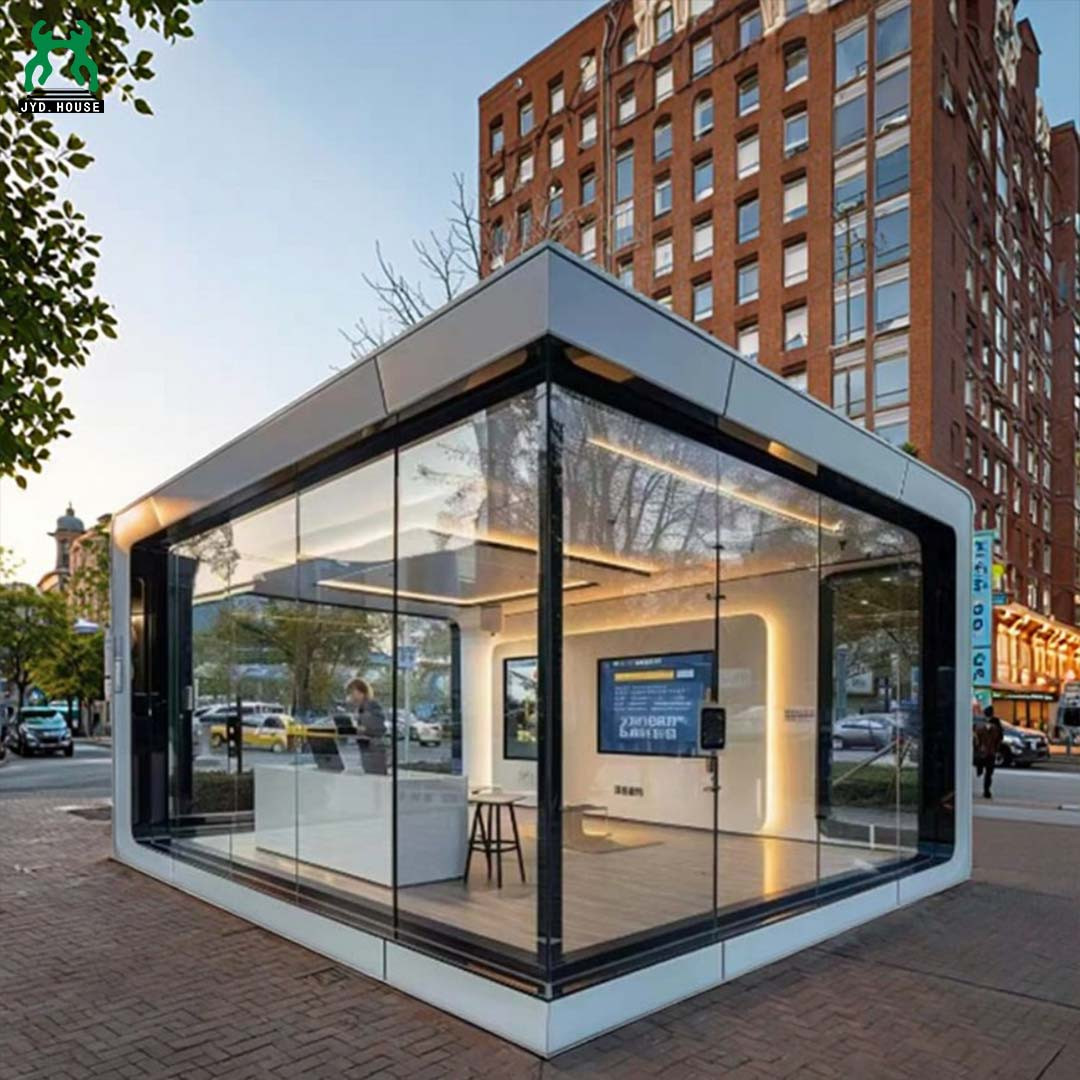
Understanding Prefabricated Office Pods
The modern workplace has undergone a dramatic transformation in recent years, with remote work and hybrid office models becoming the new standard. Prefabricated office pods have emerged as an innovative solution that bridges the gap between traditional office environments and the flexibility demanded by contemporary professionals. These self-contained, modular workspace units offer a compelling alternative to conventional office construction, providing businesses and individuals with immediate access to professional-grade workspaces.
Prefabricated office pods, also known as modular office units or pod offices, are fully assembled or flat-packed structures manufactured in controlled factory environments before being transported to their installation sites. This approach to workspace creation eliminates many of the challenges associated with traditional construction, including lengthy build times, weather delays, and cost overruns. The result is a high-quality, professionally finished workspace that can be operational within days rather than months.
Key Benefits of Prefabricated Office Pods
1. Rapid Deployment and Installation
One of the most significant advantages of prefabricated office pods is their speed of deployment. Unlike traditional construction projects that can take months or even years to complete, prefabricated units can be manufactured, delivered, and installed within a matter of weeks. The installation process itself typically requires only one to three days, depending on the size and complexity of the unit. This rapid deployment capability makes prefabricated pods an ideal solution for businesses that need to scale their workspace quickly in response to growth or changing operational requirements.
The installation process is remarkably straightforward. Most capsule house and pod systems arrive fully assembled or in large pre-finished modules that simply need to be connected on-site. Foundation requirements are minimal, often requiring only a level surface with appropriate load-bearing capacity. Electrical and data connections are pre-wired within the unit, reducing the need for extensive on-site trade work.
2. Cost-Effectiveness
Prefabricated office pods offer substantial cost savings compared to traditional construction methods. Factory-controlled manufacturing eliminates many of the variables that drive up construction costs, including weather delays, material waste, and labor inefficiencies. Industry data suggests that prefabricated construction can reduce overall project costs by 20-30% compared to equivalent site-built structures.
The cost advantages extend beyond initial construction. Prefabricated pods are designed for energy efficiency, with high-quality insulation, double or triple-glazed windows, and efficient HVAC systems that minimize ongoing operational costs. The controlled manufacturing environment ensures consistent quality standards that contribute to long-term durability and reduced maintenance expenses.
3. Flexibility and Scalability
Unlike permanent structures, prefabricated office pods offer remarkable flexibility. They can be easily relocated to different sites, reconfigured to meet changing needs, or expanded through the addition of complementary modules. This adaptability makes them particularly valuable for businesses with evolving space requirements or those operating in dynamic market conditions.
The modular nature of prefabricated construction allows businesses to start with a single pod and expand their workspace incrementally as needs grow. Additional units can be connected to create larger office complexes, or individual pods can be dedicated to specific functions such as meeting rooms, private offices, or collaborative spaces. Modular sleeping cabins can also be integrated into the workspace design for businesses that require on-site accommodation.
Types of Prefabricated Office Pods
Single-Person Office Pods
Designed for individual use, single-person office pods provide a private, acoustically insulated workspace that is perfect for focused work, video conferencing, or phone calls. These compact units typically range from 8 to 15 square meters and include essential features such as power outlets, lighting, ventilation, and internet connectivity. Their small footprint makes them ideal for placement in existing office spaces, gardens, or commercial properties where space is at a premium.
Multi-Person Office Pods
For teams requiring collaborative workspace, multi-person pods offer generous interior space accommodating 4-8 people comfortably. These units feature open-plan layouts with configurable desk arrangements, enhanced ventilation systems, and optional meeting areas. Sound insulation ensures that internal activities do not disturb neighboring workspaces, making them suitable for open-plan office environments.
Meeting Room Pods
Meeting room pods are specifically designed for group discussions, presentations, and collaborative sessions. They feature larger interior spaces, integrated audio-visual equipment, whiteboard surfaces, and comfortable seating arrangements. Acoustic performance is a key design consideration, with advanced sound-dampening materials ensuring privacy and minimizing external noise interference.
Design Features and Technology Integration
Modern prefabricated office pods incorporate sophisticated design features and technology integrations that rival or exceed those found in traditional office environments. Advanced climate control systems maintain comfortable temperatures year-round, while integrated smart building technology allows users to control lighting, temperature, and ventilation through smartphone applications or voice commands.
Acoustic performance is a critical design consideration for office pods. High-quality units achieve sound reduction ratings of 35-45 dB, effectively isolating the interior from external noise while preventing conversations from being overheard outside. This level of acoustic performance is achieved through multi-layer wall construction, acoustic glazing, and precision-engineered door seals.
Power and connectivity infrastructure is comprehensively integrated into pod designs. Multiple power outlets, USB charging ports, Ethernet connections, and wireless charging surfaces are standard features. Cable management systems keep workspaces tidy, while integrated UPS systems ensure continuous power supply during outages.
Applications Across Industries
Corporate and Commercial
Large corporations increasingly deploy prefabricated office pods within existing office buildings to create private workspaces within open-plan environments. These pods address the growing need for quiet, focused work areas without the expense and disruption of traditional office renovation. They are also used to quickly establish satellite offices in new locations without committing to long-term lease agreements.
Education and Healthcare
Educational institutions use prefabricated pods as additional classrooms, staff rooms, and administrative offices. Healthcare facilities deploy them as consultation rooms, treatment spaces, and administrative offices that can be positioned close to patient care areas. The rapid deployment capability is particularly valuable in healthcare settings where space needs can change unexpectedly.
Residential and Home Office
The work-from-home revolution has created enormous demand for dedicated home office spaces that separate professional and domestic life. Prefabricated garden office pods provide the ideal solution, offering a professional workspace just steps from home while maintaining clear boundaries between work and personal life. These units are designed to comply with local planning regulations and can typically be installed without planning permission under permitted development rights.
Installation and Planning Considerations
Before installing a prefabricated office pod, several factors should be considered to ensure optimal results. Site access is a primary concern, as delivery vehicles and lifting equipment need adequate access to the installation location. Ground conditions must be assessed to determine appropriate foundation requirements, which typically range from simple ground screws to concrete pads depending on soil type and local building codes.
Utility connections require careful planning. While many pods are designed for minimal utility requirements, electrical supply, internet connectivity, and potentially water and drainage connections need to be planned in advance. Most manufacturers provide detailed installation guides and can arrange professional installation services to ensure compliance with local regulations.
Building regulations and planning permission requirements vary by jurisdiction. In many cases, prefabricated office pods fall under permitted development rights and can be installed without formal planning permission, provided they meet size and placement restrictions. However, it is essential to verify local requirements before proceeding with installation.
Conclusion
Prefabricated office pods represent a transformative approach to workspace provision that addresses the evolving needs of modern businesses and professionals. Their combination of rapid deployment, cost-effectiveness, flexibility, and high-quality design makes them an increasingly attractive alternative to traditional construction methods. As remote work continues to reshape the professional landscape, prefabricated office pods will play an increasingly important role in providing the focused, professional workspaces that productivity demands. Whether for corporate environments, educational institutions, healthcare facilities, or home offices, these innovative structures offer a practical and sustainable solution for the workspace challenges of today and tomorrow.