

Prefabricated House Design: Modern Solutions for Efficient Construction

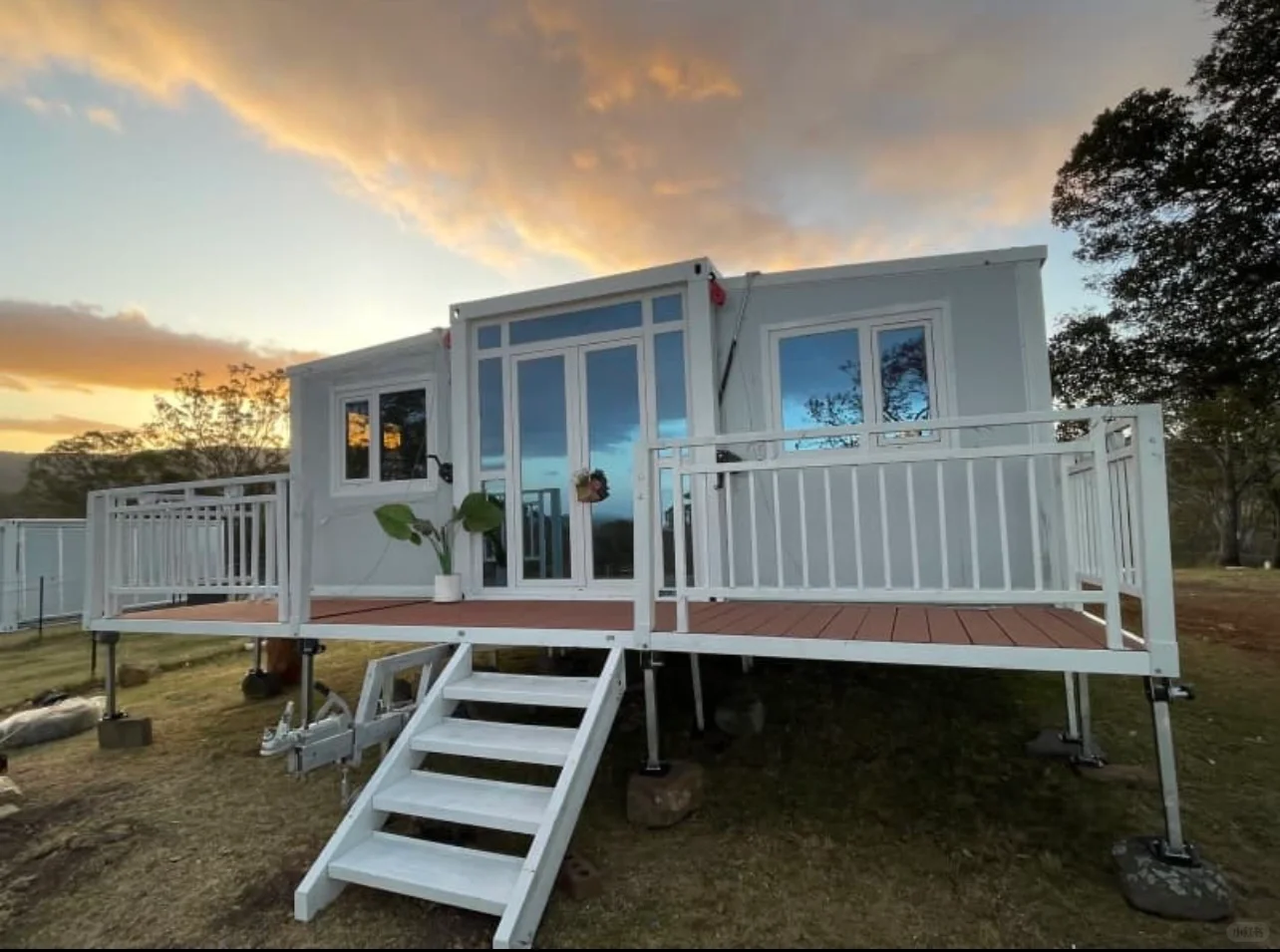
Prefabricated House Design: Modern Solutions for Efficient Construction
The construction industry has witnessed a revolutionary shift with the advancement of prefabricated house technology. These innovative structures offer a compelling alternative to traditional construction methods, combining speed, efficiency, and quality control in ways that were previously unimaginable. This comprehensive guide explores the benefits, design considerations, and applications of modern prefabricated housing solutions.
Understanding Prefabricated Construction
Prefabricated houses, also known as modular or factory-built homes, are constructed in controlled manufacturing environments before being transported to their final locations. Unlike traditional site-built homes, prefabricated structures benefit from:
- Controlled Environment: Weather-protected construction ensures consistent quality.
- Efficient Production: Assembly line techniques reduce construction time significantly.
- Quality Control: Rigorous inspection processes at every stage of production.
- Cost Predictability: Fixed pricing with fewer on-site variables.
- Reduced Waste: Precise material planning minimizes construction waste.
Types of Prefabricated Houses
Modular Homes
Modular homes consist of multiple sections built in factories and assembled on-site:
- Multi-Section Design: Larger homes created from several modules.
- Customizable Layouts: Various configurations to suit different needs.
- Permanent Foundation: Installed on traditional foundations like site-built homes.
- Building Code Compliance: Meet the same codes as conventional construction.
Panelized Homes
Panelized construction uses factory-built wall panels assembled on-site:
- Flat-Pack Shipping: Efficient transportation to remote locations.
- On-Site Assembly: Faster than traditional framing.
- Design Flexibility: Easier customization than fully modular options.
- Cost Effective: Balance between factory efficiency and on-site flexibility.
Container Homes
Shipping container conversions offer unique prefabricated housing solutions:
- Sustainable Construction: Repurposing existing structures.
- Structural Strength: Built to withstand ocean shipping conditions.
- Modern Aesthetics: Contemporary industrial design appeal.
- Quick Deployment: Rapid installation and setup.
Design Considerations
Site Planning
Successful prefabricated house installation requires careful site preparation:
- Foundation Requirements: Proper foundation design for local soil conditions.
- Access Routes: Adequate roads for module delivery and crane access.
- Utility Connections: Planning for electrical, water, and sewer connections.
- Local Regulations: Compliance with zoning and building requirements.
Customization Options
Modern prefabricated homes offer extensive customization:
- Floor Plans: Various layouts from compact to spacious designs.
- Exterior Finishes: Multiple siding and roofing options.
- Interior Features: Upgraded fixtures, flooring, and cabinetry.
- Energy Efficiency: Enhanced insulation and sustainable systems.
Advantages Over Traditional Construction
Speed of Construction
Time savings represent one of the most significant benefits:
- Factory Production: Concurrent site preparation and home construction.
- Weather Independence: No weather-related delays during manufacturing.
- Faster Completion: Typical projects complete in weeks rather than months.
- Predictable Schedules: Reliable timeline for planning purposes.
Cost Benefits
Financial advantages make prefabrication attractive:
- Lower Labor Costs: Efficient factory production reduces labor requirements.
- Material Efficiency: Bulk purchasing and reduced waste lower material costs.
- Financing Advantages: Shorter construction periods reduce interest costs.
- Price Certainty: Fixed contracts minimize budget overruns.
Quality Advantages
Factory construction ensures superior quality:
- Precision Manufacturing: Jigs and templates ensure exact specifications.
- Material Protection: Components never exposed to weather during construction.
- Professional Inspection: Quality checks at every production stage.
- Consistent Standards: Every component meets the same high standards.
Applications and Use Cases
Residential Housing
Prefabricated homes serve various residential needs:
- Primary Residences: Full-time homes with all modern amenities.
- Vacation Homes: Quick installation in recreational areas.
- Accessory Dwelling Units: Secondary units on existing properties.
- Multi-Family Housing: Efficient apartment and townhouse construction.
Commercial Applications
Businesses benefit from prefabricated structures:
- Office Buildings: Rapid workspace construction.
- Retail Spaces: Quick-to-market commercial facilities.
- Educational Facilities: Classroom and administrative buildings.
- Healthcare Structures: Clinics and medical facilities.
Energy Efficiency and Sustainability
Modern prefabricated homes excel in environmental performance:
- Superior Insulation: Tight construction minimizes air infiltration.
- Energy Systems: Solar panels and efficient HVAC integration.
- Sustainable Materials: Eco-friendly building components.
- Reduced Carbon Footprint: Efficient production and transportation.
Installation Process
The installation of prefabricated houses follows a systematic process:
- Site Preparation: Foundation work completed before delivery.
- Transportation: Modules transported to the building site.
- Crane Placement: Modules positioned on the foundation.
- Assembly: Modules joined and sealed together.
- Utility Connections: Electrical, plumbing, and HVAC connections.
- Final Finishing: Interior and exterior finishing work.
Choosing a Prefabricated House Provider
Selecting the right manufacturer ensures project success:
- Experience and Reputation: Established track record in the industry.
- Quality Certifications: Relevant building certifications and standards.
- Customization Capabilities: Ability to meet specific design requirements.
- Warranty Coverage: Comprehensive protection for the investment.
- Service Network: Support for installation and after-sales service.
Conclusion
Prefabricated houses represent a significant advancement in residential construction, offering speed, quality, and cost benefits that traditional methods cannot match. As technology continues to advance and design options expand, prefabricated solutions become increasingly attractive for homeowners, developers, and businesses seeking efficient, high-quality construction.
The combination of controlled manufacturing, efficient processes, and modern design makes prefabricated houses a compelling choice for diverse applications. Whether for primary residences, vacation homes, or commercial facilities, prefabricated construction delivers value through predictable timelines, controlled costs, and superior quality that stands the test of time.